Basement finishing and remodeling
Turning below-grade space into rooms that stay dry, and that pass inspection as living space.
A basement becomes legal living space only when it meets the requirements for egress, ceiling height, and fire separation. Finishing one without that is how a house fails an appraisal or an inspection years later.
We check those conditions before pricing the finishes, and if the space cannot meet them we will say so at the estimate.
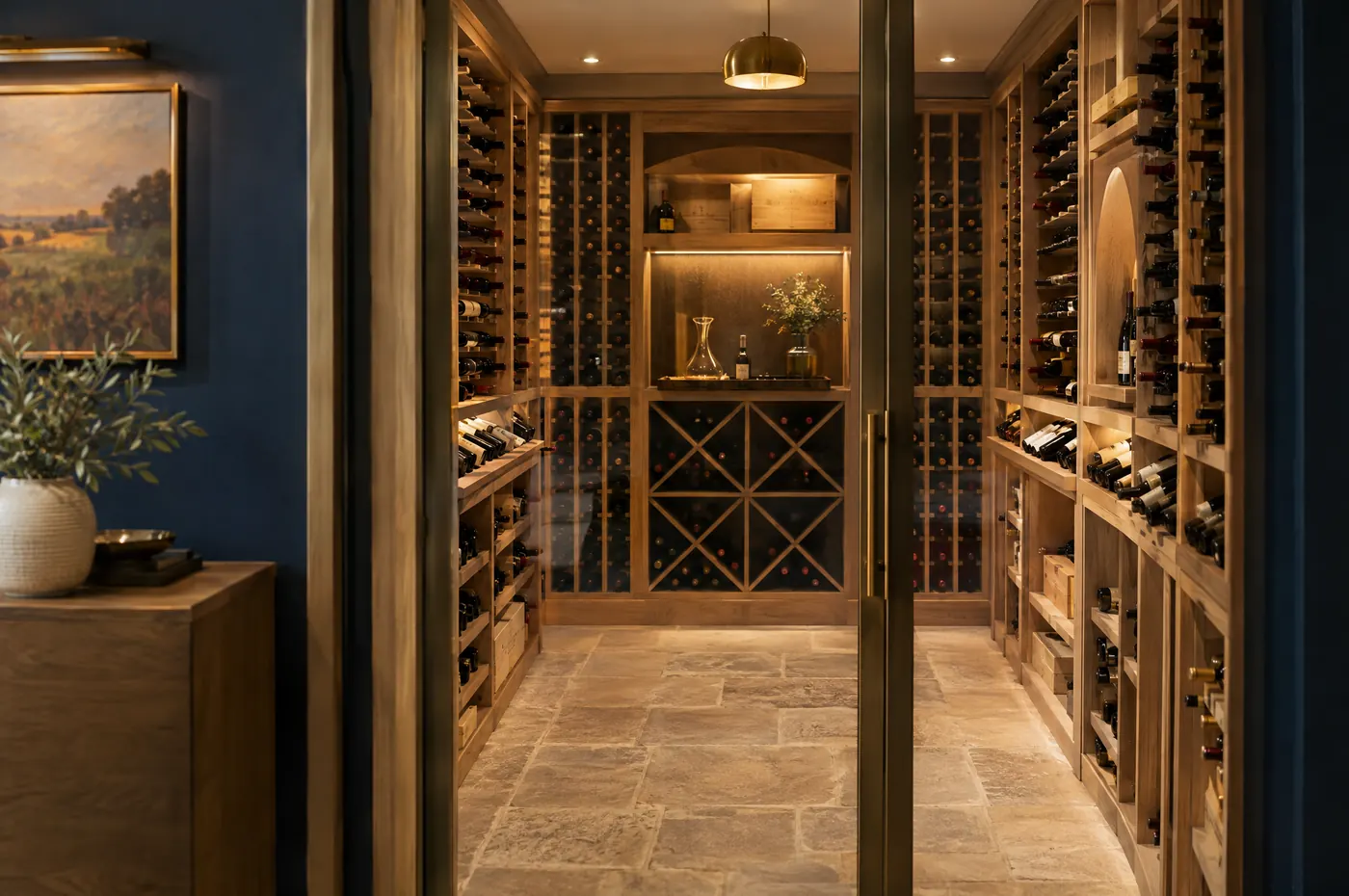
Typical scope
- Moisture control and drainage before anything is framed
- Egress windows and wells where the plan adds a bedroom
- Framing, insulation, and drywall
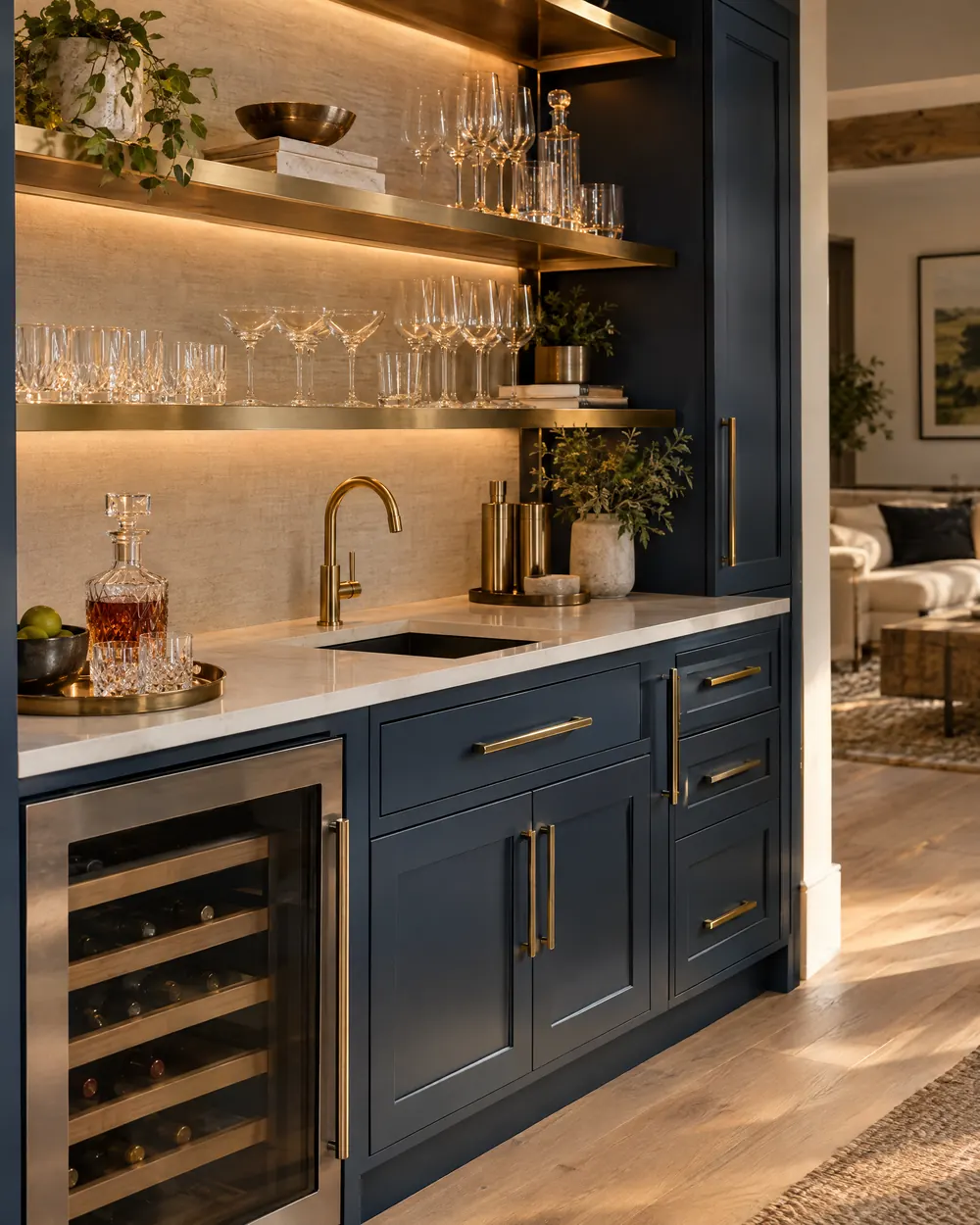
- Bathrooms and wet bars, including below-grade waste
- Electrical, lighting and HVAC extension into the space
- Flooring suited to below-grade conditions
- Fire separation and code compliance for finished basements
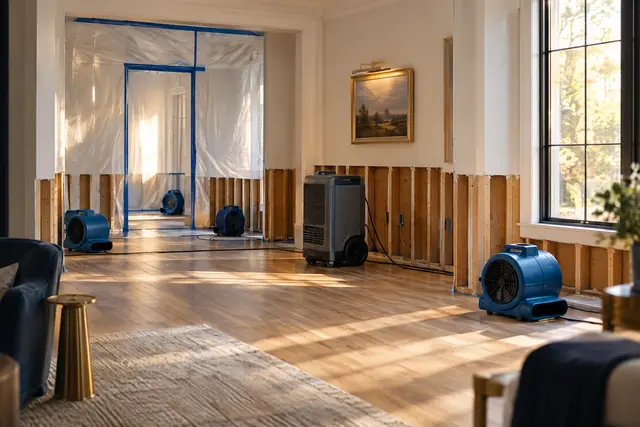
If the basement has an active water problem, that is fixed and observed through a wet season before finish materials go in. Finishing over it simply hides it.
Common questions
My basement gets damp. Can you still finish it?
Not straight away, and we will say so. An active water problem is fixed first and then watched through a wet season before any finish material goes in.
Finishing over a damp basement does not solve it. It hides it, and then you pay twice.
Can I put a bedroom in the basement?
Where the plan adds a bedroom it needs an egress window and well, and we fit those. Fire separation and the rest of the code requirements for finished basements are part of the same job.
Can we add a bathroom or a wet bar down there?
Yes, including the below-grade waste arrangement those need, which is the part that makes a basement bathroom different from any other one.